August 1, 2026 · 7 min
What ITAD actually covers, and the certificate that decides its value
Three thousand six hundred searches a month and a competition index of 0.01. Almost nobody is competing for this, so here is the answer in full.
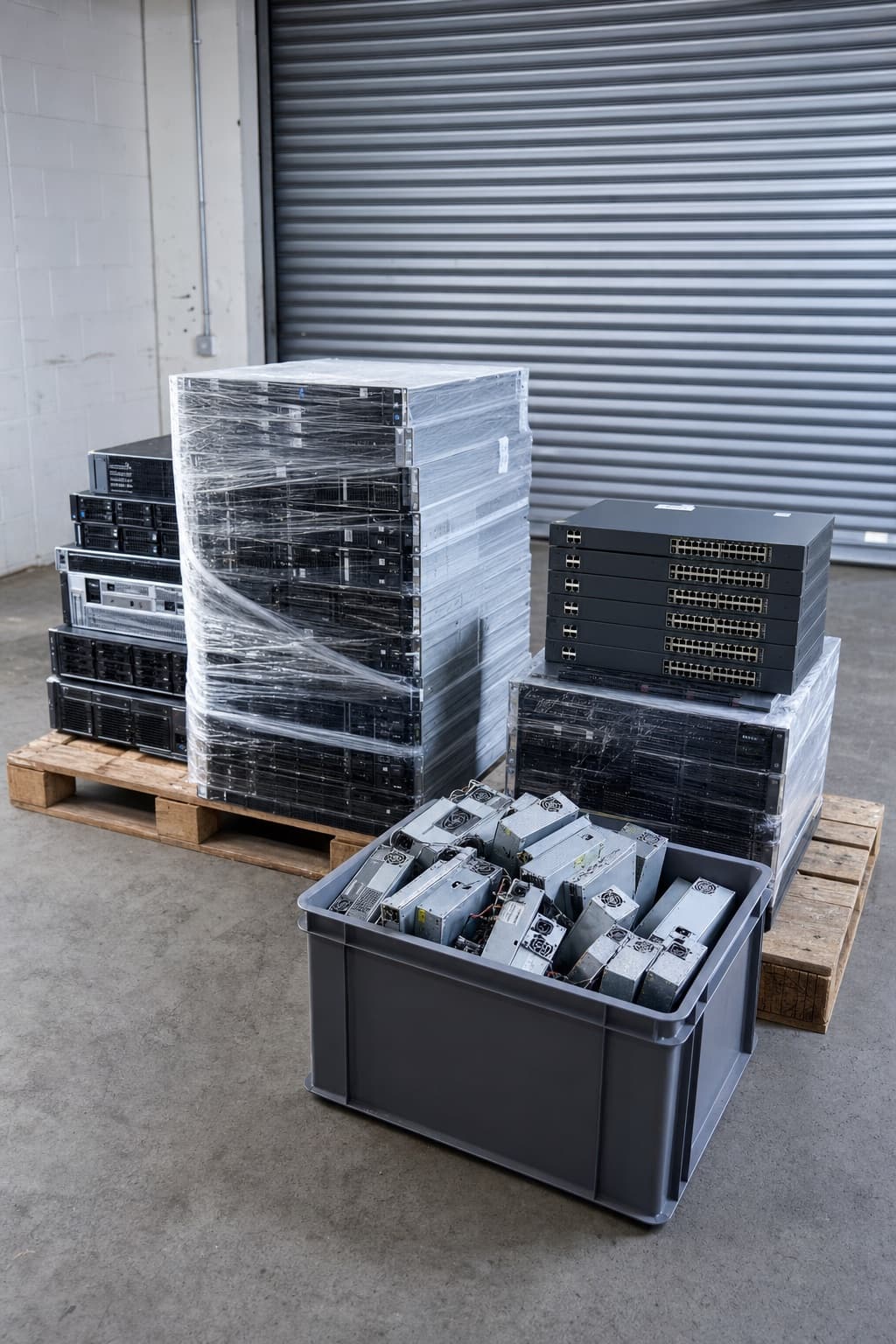
IT asset disposition is what happens to equipment after it stops being useful: collected, recorded, sanitised, then resold, recycled or destroyed, with documentation for each outcome. It is one of the most searched terms in this category and one of the least contested, which usually means the answers available are thin. The same process seen from the equipment rather than from the service is in one server followed out of the building.
The four things ITAD is actually made of
Custody. A documented handover at every transfer: your floor to the truck, the truck to the facility, the facility to the process. Every gap in that chain is a gap in what you can later state.
Sanitisation. Erasure or destruction of every storage device, with a record per serial number. Not per pallet, not per shipment. Per device. Which methods that word covers, and what each one can address, is in what data destruction actually covers.
Disposition. Resale, recycling or destruction, with the destination recorded and, for recycling, the downstream chain traceable. The three routes, and what qualifies an asset for each, are in how IT equipment disposal is routed.
Reporting. The pack that reconciles everything above against the asset register you started with.
The certificate is the product
What an organisation buys from ITAD is the ability to answer a question in an audit two years later: what happened to asset number such-and-such. Everything else is a means to that end.
Which means the way to evaluate a vendor is to ask for a blank example of the certificate pack, before discussing price. What to look for in it:
- Serial-number-level records, not summaries by pallet.
- The method used per device, and the standard it followed.
- The date, the location, and who performed it.
- The destination of every asset, including the ones with no value.
- A reconciliation against the register you supplied, with exceptions listed.
That last item is the honest one. There are always exceptions, and a pack with none has either had a perfect project or has not looked.
What the industry certifications do and do not say
Certifications exist for responsible recycling and for data sanitisation, and they are worth asking for by number and expiry rather than by logo. What they establish is that a facility has been audited against a standard. What they do not establish is that a particular project was executed correctly, or that the certified facility is the one your assets actually went to.
Ours are listed on the about page with their numbers, and they can be verified with the certifying bodies rather than taken on trust.
The question that reveals a subcontracting chain
“Which facility will my assets be processed at, and is it yours?” A great deal of ITAD is brokered, which is not itself a problem. Not knowing it is. If assets pass through two companies, the chain of custody has two more handovers than the sales conversation implied. It is the first of five questions to ask before price.
What we do ourselves and what we do not is stated on the ITAD page.
Ask for the certificate template before you ask for a price
A vendor who cannot show you a blank one has not thought about the part that matters.
Data Center Exit decommissions data halls: asset inventory, de-cabling, rack removal, on-site or witnessed data destruction, resale and recycling, and the certificate trail that proves each of them happened.