IT asset disposition: where the recovery value actually comes from
ITAD is sold on recovery value and delivered on reporting. Both matter, but only one of them is where engagements usually break.
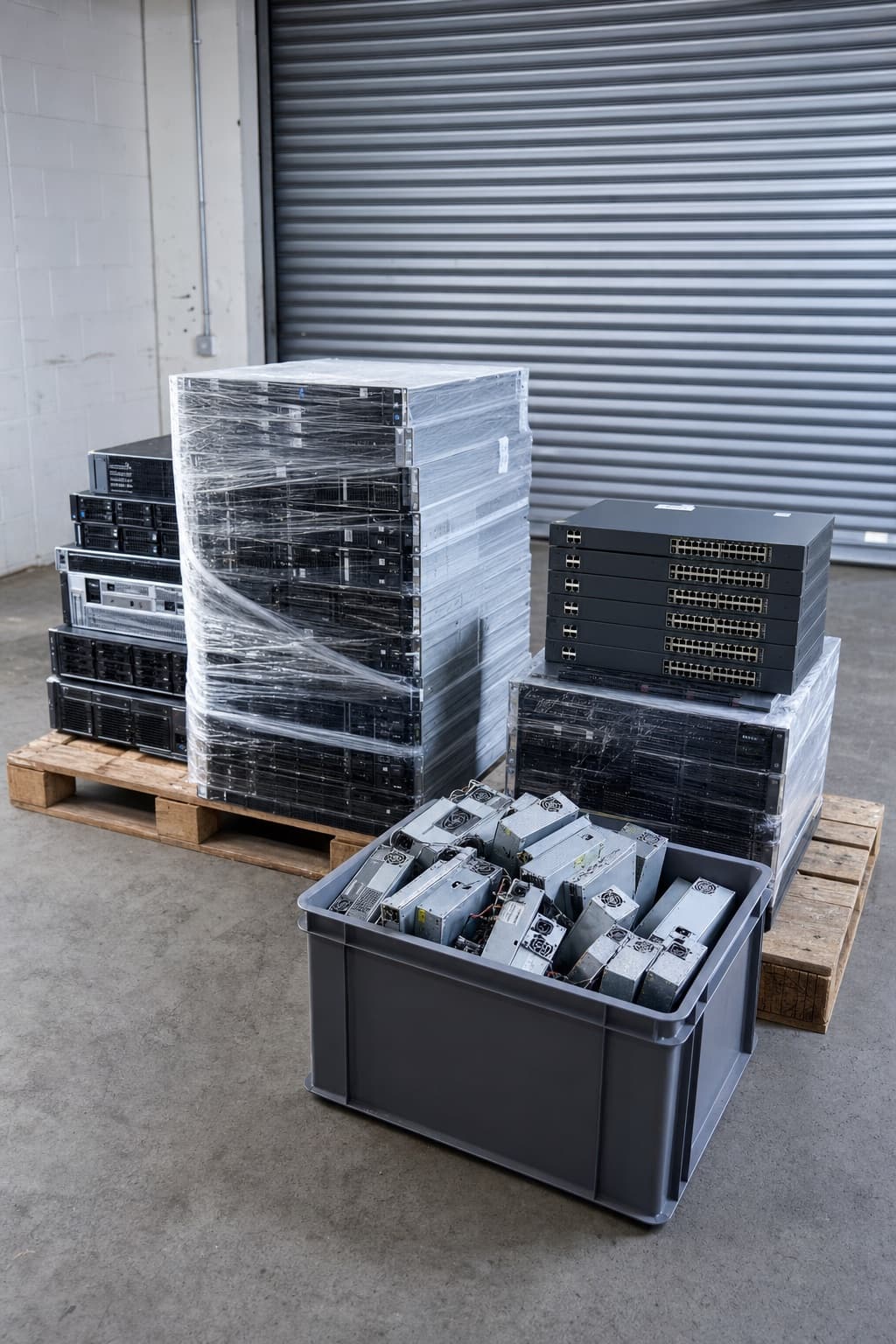
Where recovery value comes from
- Age. Value falls sharply with each generation. Equipment held for a year after being taken out of service is worth a fraction of the same equipment sold at decommissioning.
- Completeness. Populated, tested and complete units sell. Stripped chassis and mismatched parts largely do not.
- Volume and homogeneity. Two hundred identical units find a buyer; two hundred different ones become a recycling job.
- Documentation. Known configuration and provenance shorten the sale and raise the price.
The practical consequence: the resale decision belongs at the start of the project, not at the end. By the time hardware is stacked on a pallet, most of the value question has already been answered.
Reading a settlement report
- Gross sale value per asset, not a lump sum.
- Deductions itemized: logistics, testing, refurbishment, remarketing fees.
- Assets that did not sell, and what became of them.
- The revenue share applied, and on which base it was calculated.
A settlement that arrives as a single net figure is not a report. Ask for the per-asset detail before signing, not after.
The conflict worth naming
The party that values your assets is often the party that buys them. That is not necessarily a problem, but it is a structural conflict, and it is worth either accepting explicitly or separating, valuation on one side, disposition on the other.
Get assets assessed
Age, volume and completeness decide value. Describe what you have and providers can indicate what is realistically recoverable.
Data Center Exit decommissions data halls: asset inventory, de-cabling, rack removal, on-site or witnessed data destruction, resale and recycling, and the certificate trail that proves each of them happened.