
Decommissioning · ITAD · Destruction
A data center exit is a chain of custody problem before it is a logistics problem
An empty hall looks the same whoever emptied it. What differs is whether you can answer one question two years later in an audit: what happened to asset number such-and-such.
The certificate pack is the product
Serial-number-level records, the method per device, the destination of every asset, reconciled against the register you supplied. Everything before it was logistics.
The destruction policy is yours
A vendor funded by resale is better off erasing than shredding. That is legitimate, and it must never decide which of your assets get destroyed.
Access decides the schedule
Dock, elevator, route and out-of-hours rules move a project more than rack count does. They are settled in the site walk, not on the phone.
Three stages, and the order is not negotiable
Inventory and data classification happen before anything visible moves. They are also the two stages a lease deadline compresses, and the only two whose absence cannot be corrected afterwards.
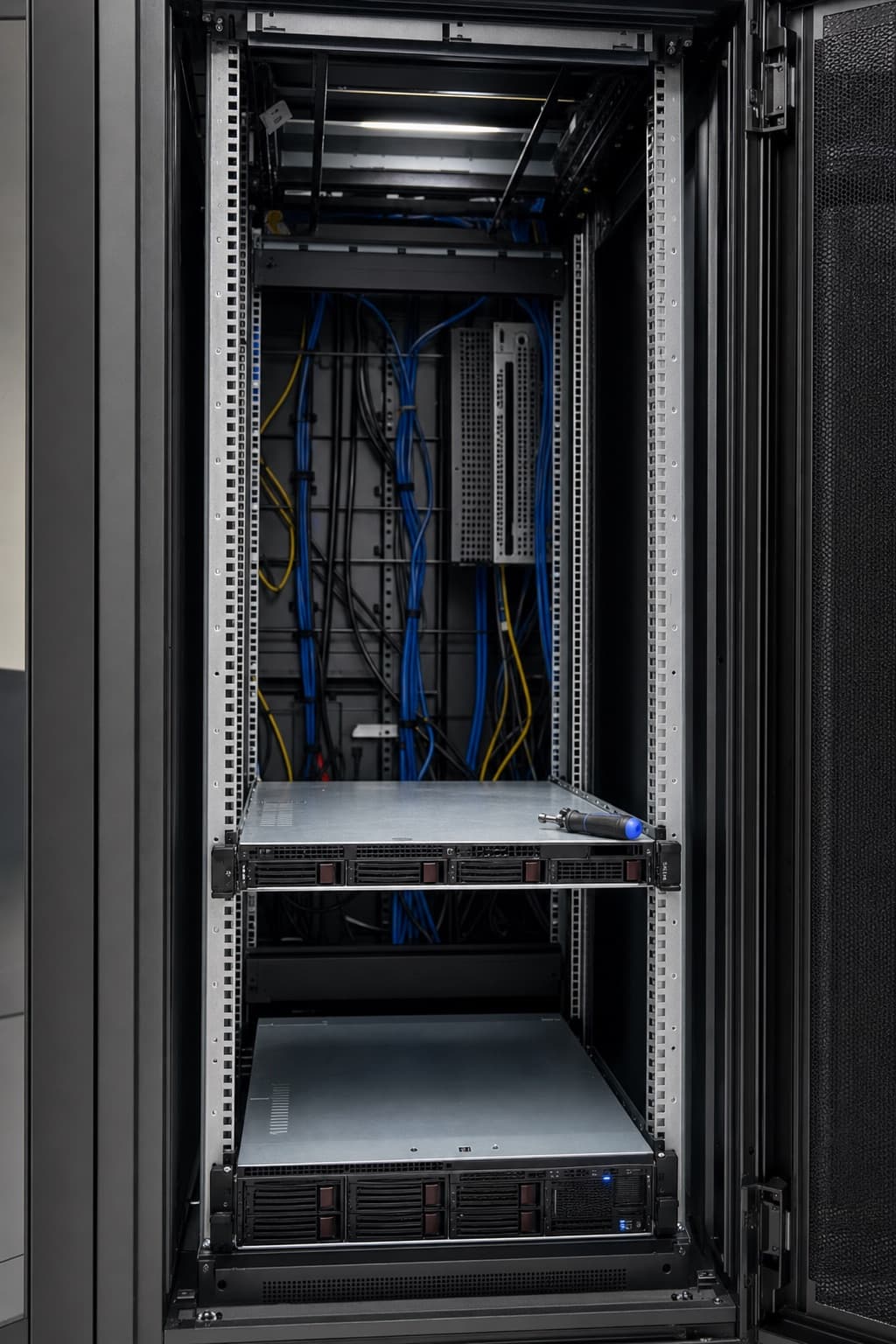
Removal
Inventory reconciled against your register first, then de-cabling with labels left behind, then the racks.
What it covers→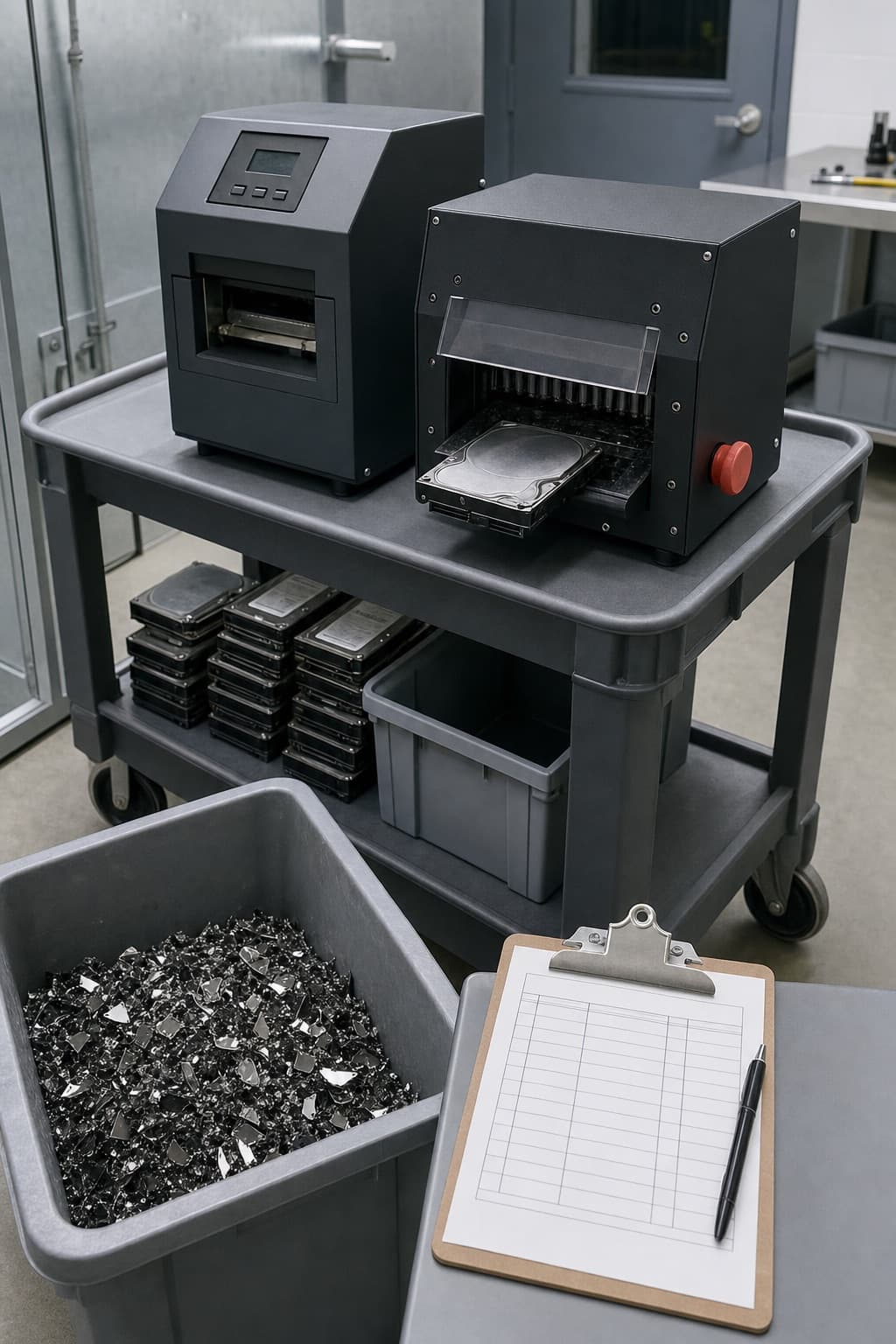
Destruction and erasure
Per device, per serial number, with the method recorded against the media type.
What it covers→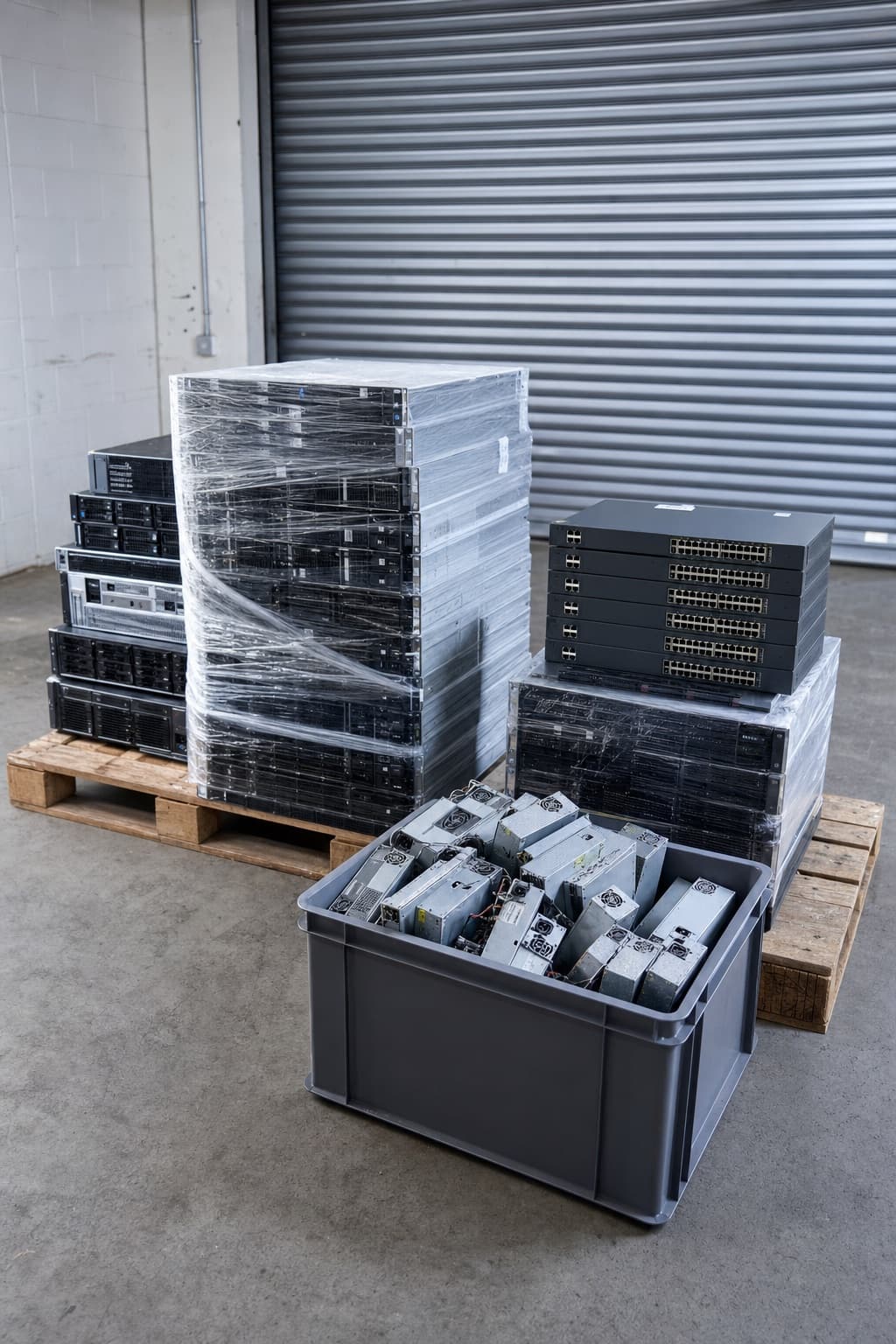
Disposition
Resale, recycling, and a destination documented for every asset including the worthless ones.
What it covers→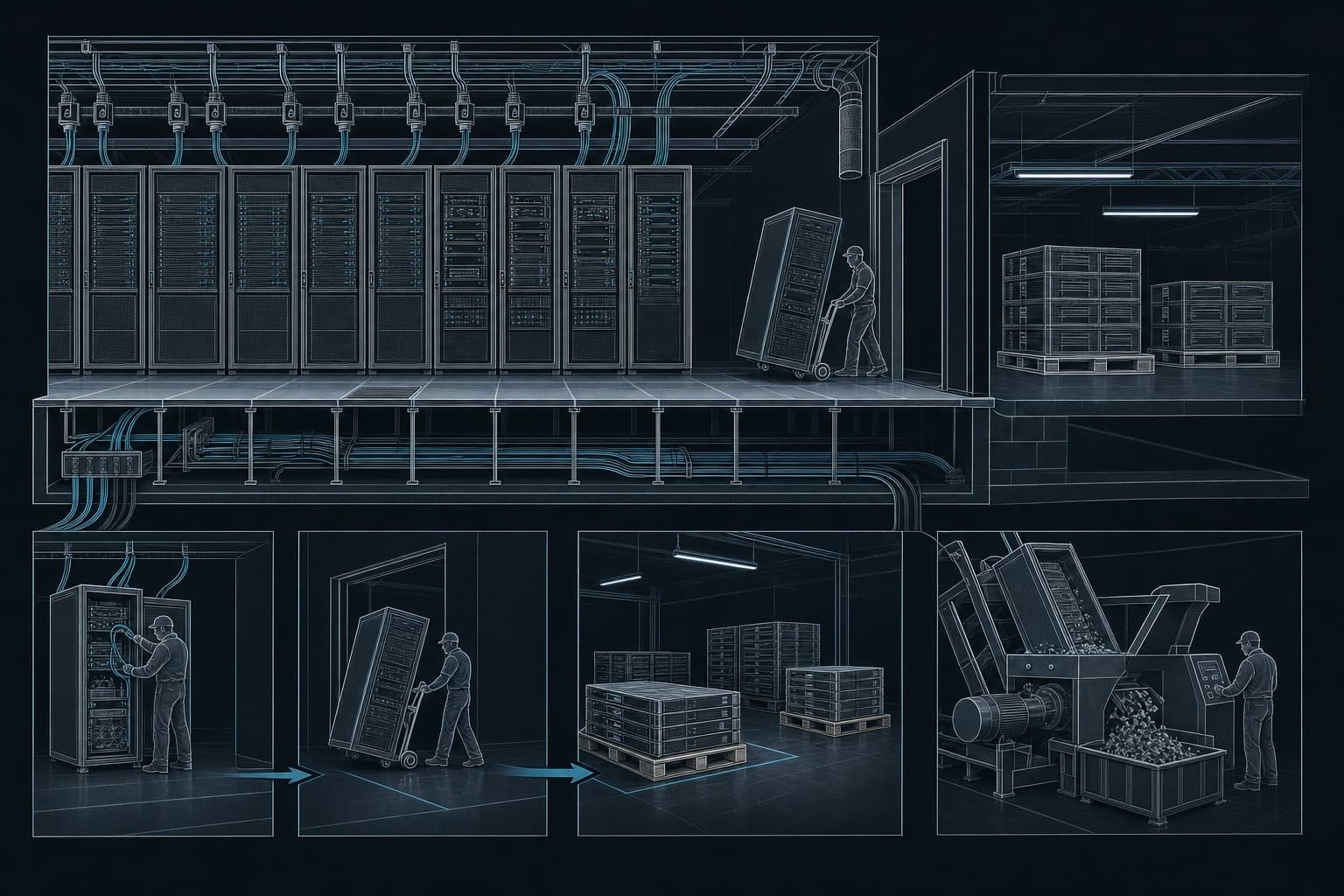
The devices nobody lists
A switch holds credentials, and it is not on the rack elevation
Management controllers, switch and firewall configuration, battery-backed cache on storage controllers, printers with internal drives, tape in a cupboard nobody has opened for years. None of it appears in an equipment list, and all of it holds something.
Four questions, then a call with the floor plan open
Rack count, drive count and media types decide the price, and they come off the asset register rather than out of memory. We ask for the register on the call, not in a form.
Data Center Exit decommissions data halls: asset inventory, de-cabling, rack removal, on-site or witnessed data destruction, resale and recycling, and the certificate trail that proves each of them happened.
- A blank certificate pack shown before we discuss price.
- Certification numbers and expiry dates, verifiable with the certifying bodies.
- Every subcontracted stage named, because each handover is a custody point.
Where custody actually breaks
A list that stops matching the floor cannot be repaired later
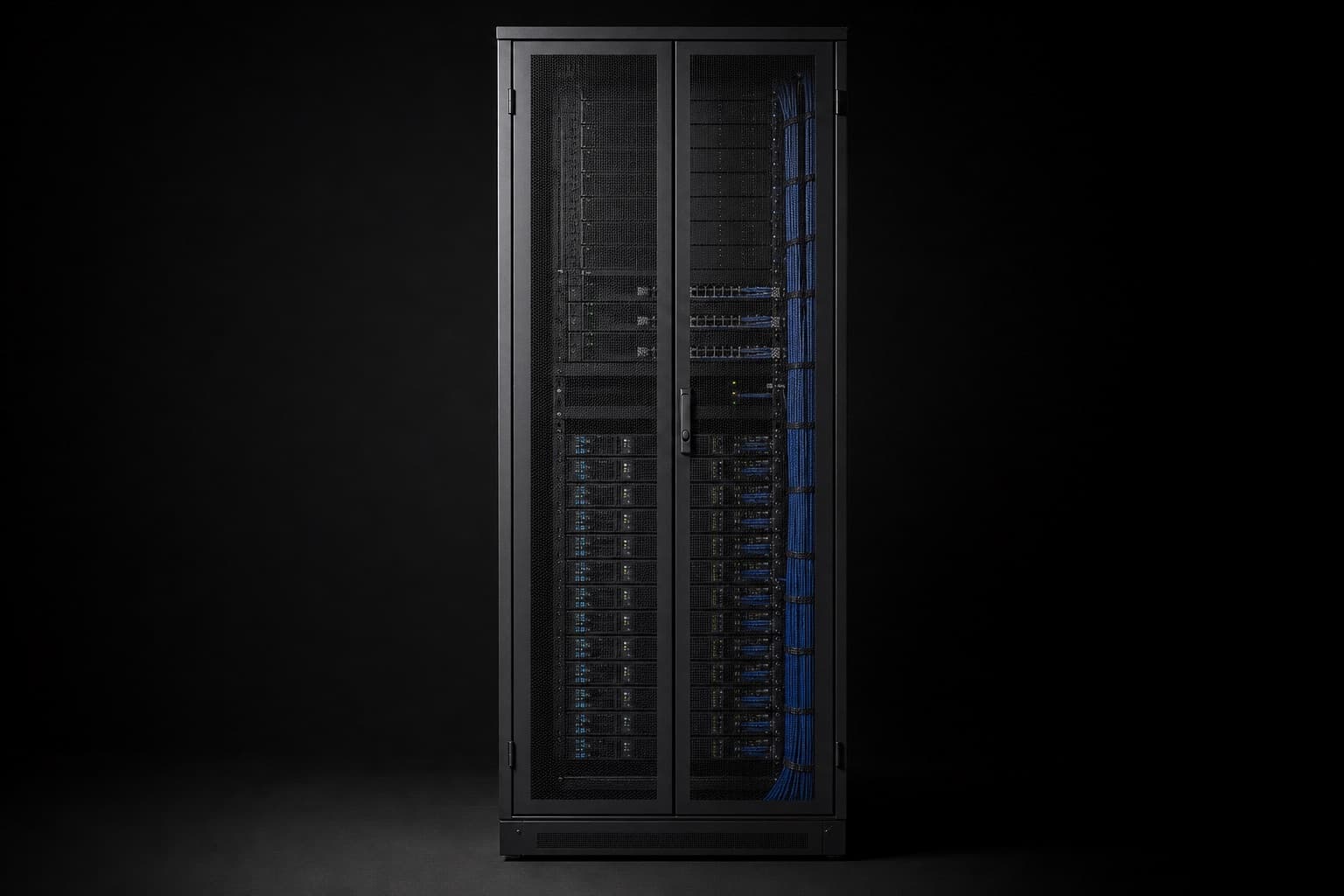
In production
Racks working, cabling dressed, nothing to worry about. This is the only moment when an asset register can still be reconciled against what is physically in the cage, and it is the moment it almost never gets done.
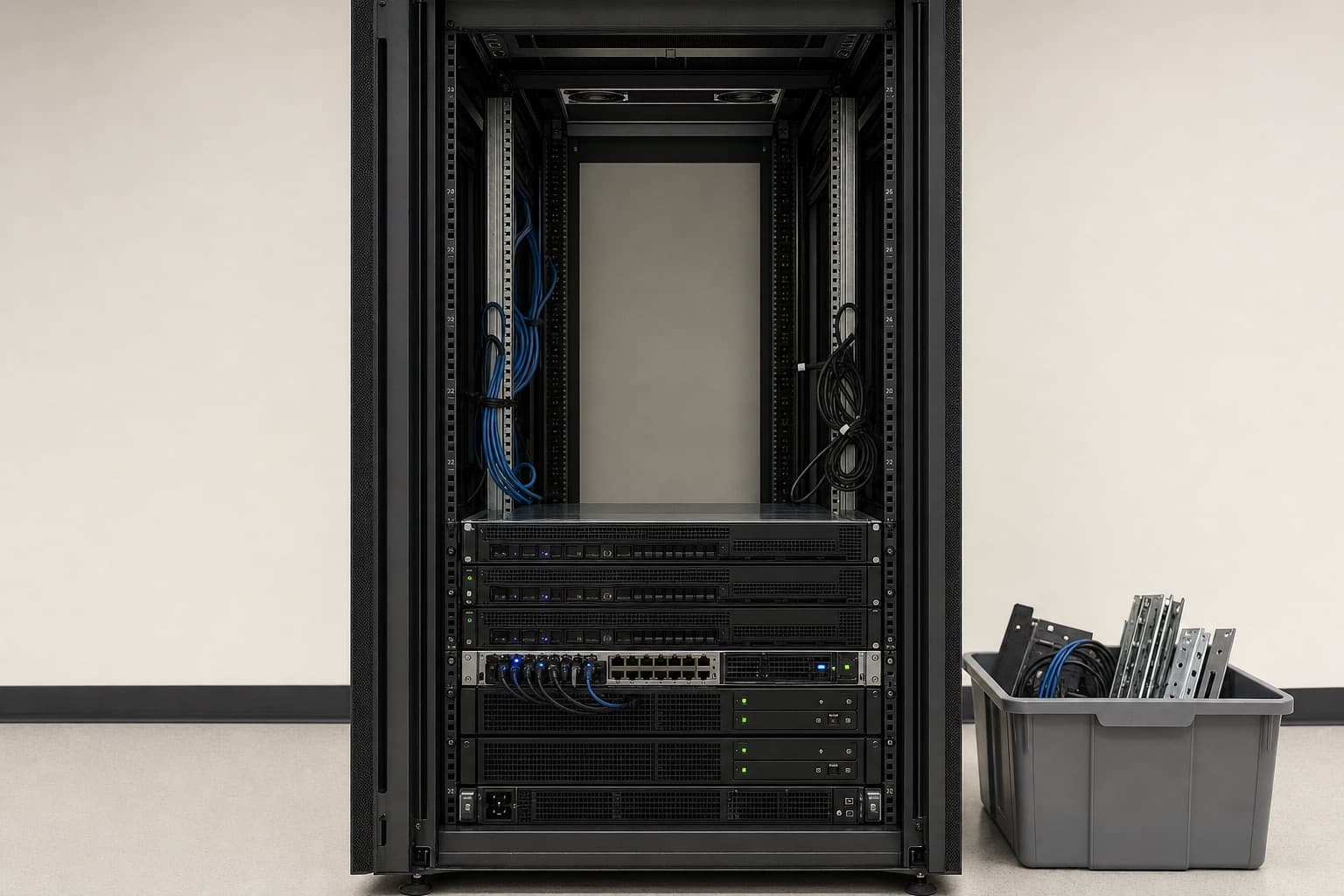
Mid-exit
Half the rack is gone and half is still live. This is where custody breaks: a drive pulled and set aside is no longer on anyone's list, and a list that stops matching the floor cannot produce a defensible certificate later.
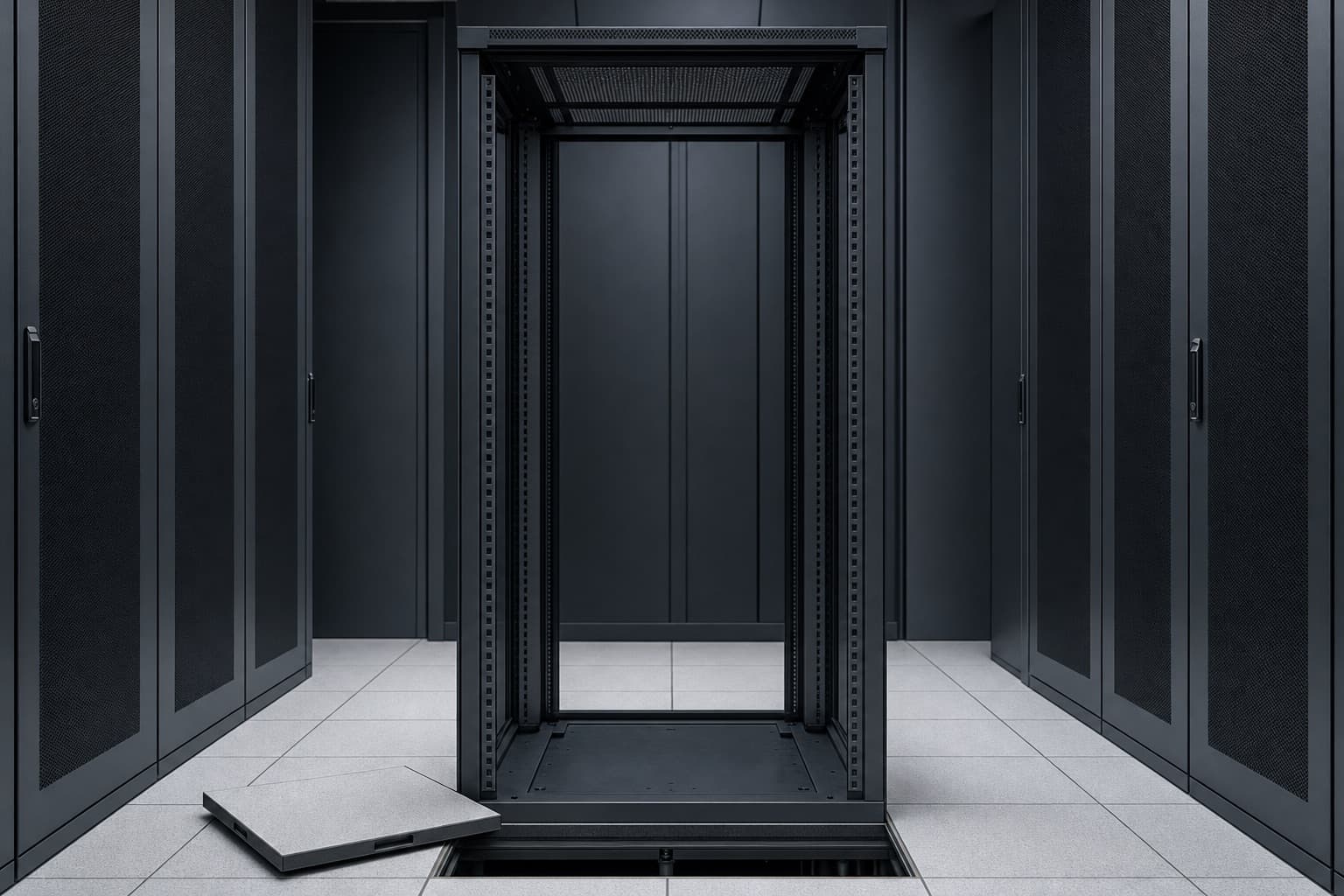
Handed back
Bare uprights, whips capped, floor swept. What proves the exit is not the empty cage but the paperwork behind it: every serial accounted for, destroyed or resold, each with a document naming it.
What an exit looks like
Five stages, five different risks

Before
Live data hall

Colocation
Caged suite
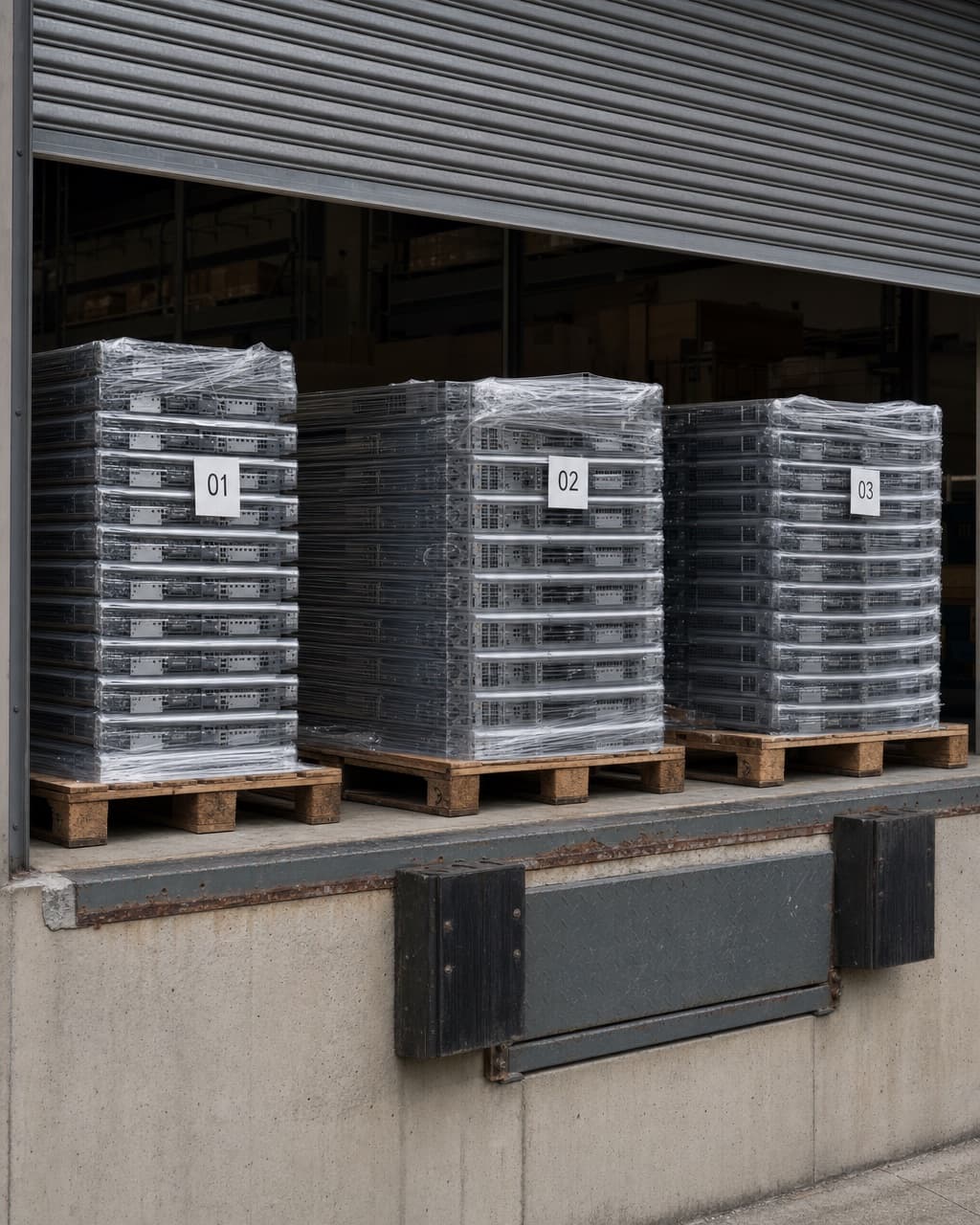
Logistics
Outbound pallets
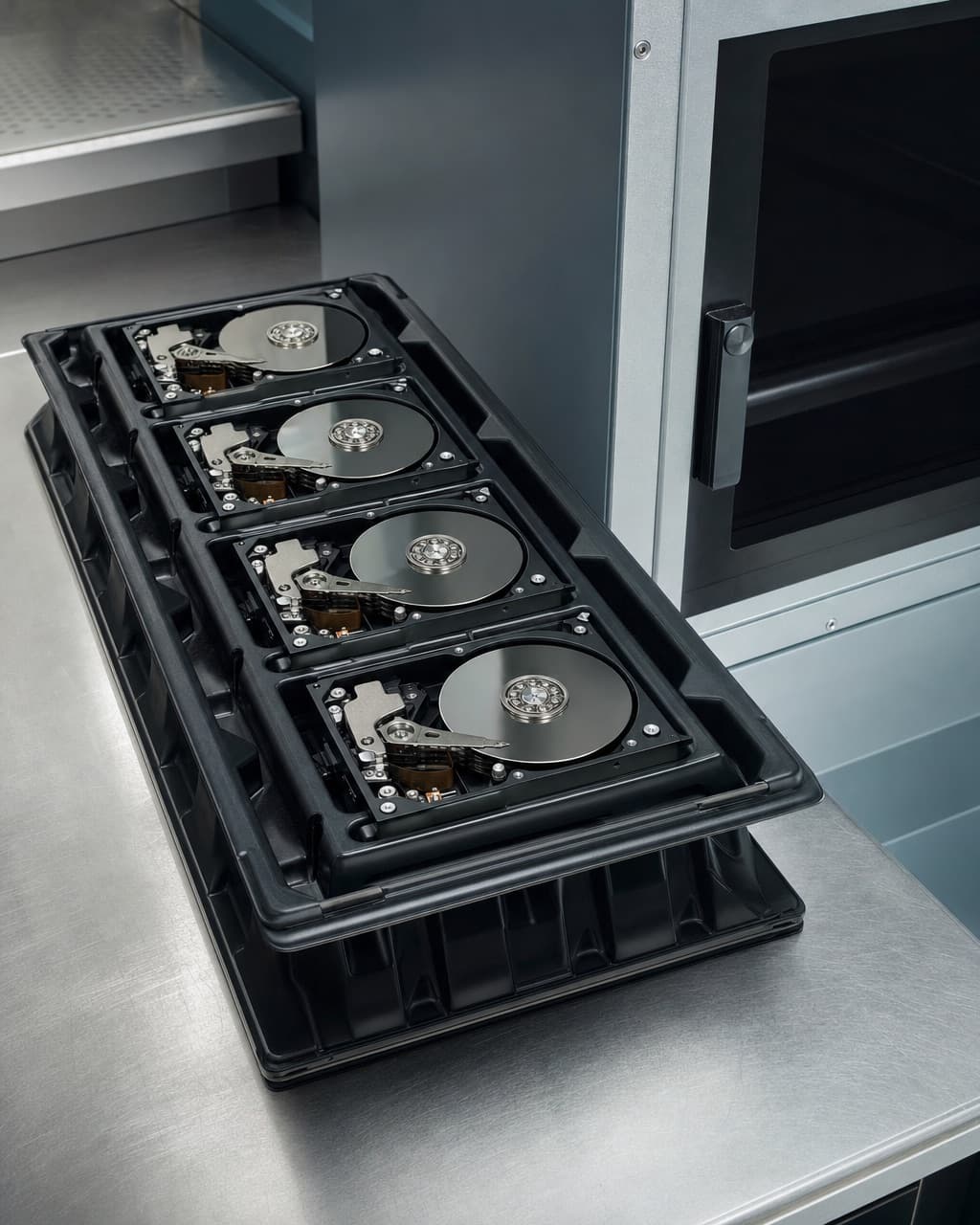
Sanitisation
Drives and degausser
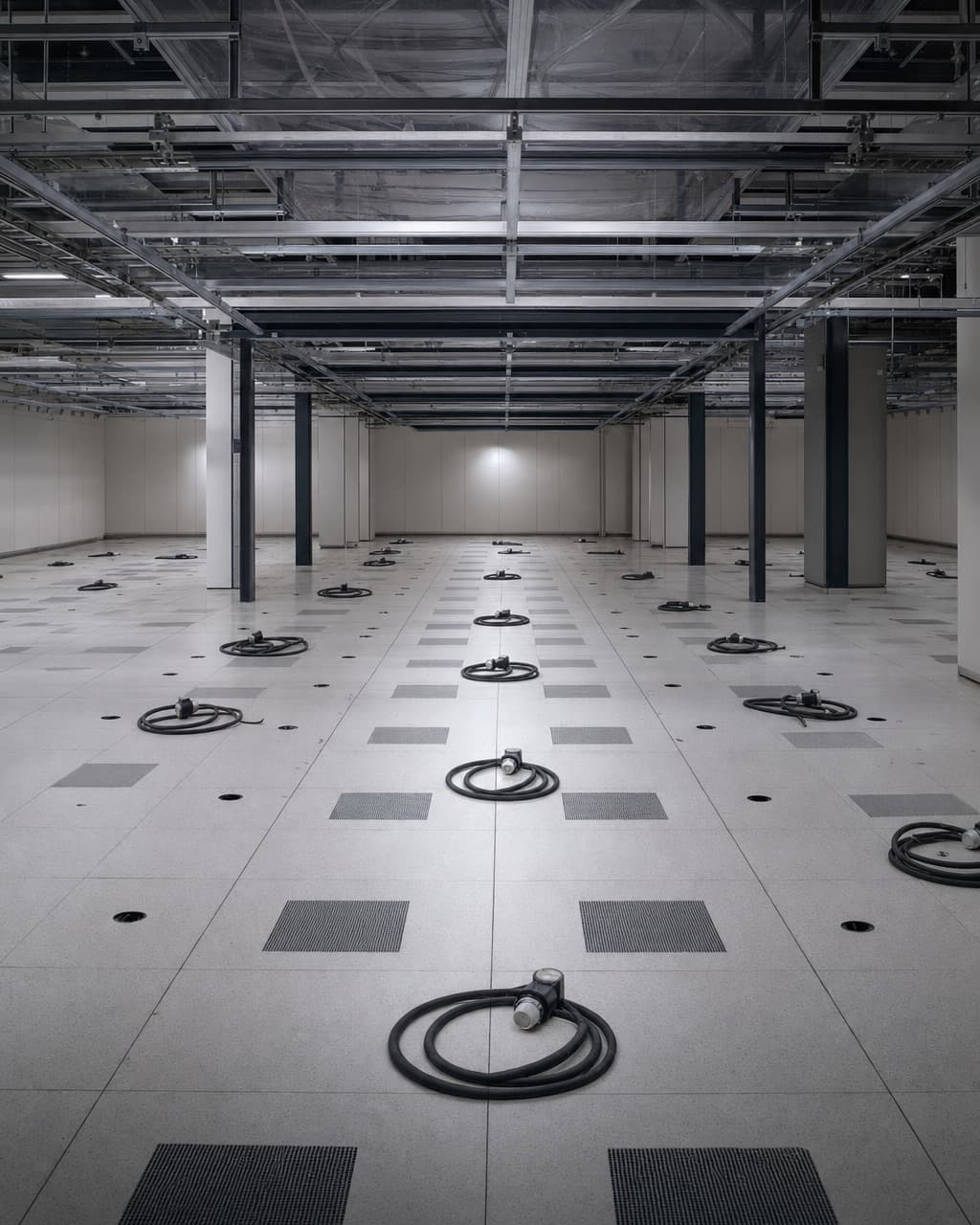
After
Empty hall

The document, not the promise
Sanitisation without a serial-level record is a claim. What survives an audit, a regulator or a buyer’s diligence is a document that names each device, states the method used on it, and can be tied back to the register the cage was emptied against. That is built during the exit, not written afterwards.
Three questions that come up every time
Who performs the work?
We do. Data Center Exit decommissions data halls: asset inventory, de-cabling, rack removal, on-site or witnessed data destruction, resale and recycling, and the certificate trail that proves each of them happened. Where a stage is subcontracted we say so and name the facility, because every handover is a point in the chain of custody.
Destruction or erasure?
Both are defensible; which one applies to a given asset is a data classification decision and it is yours. The trade-off, including the media types that erase differently, is in the advice section.
Why is no price shown here?
Because access and drive count move a quote more than rack count does, and several factors move it in opposite directions. What a quote is made of is on the cost page.